Starbucks Brand Positioning: Selling a Lifestyle, Not Just Coffee
Starbucks has never positioned itself as just a place to buy coffee. Instead, it sells an entire experience — a “third place” between home and work where people can relax, connect, or be productive. From the cozy store ambiance, personalized service, and premium product offerings to its focus on community and sustainability, Starbucks positions its brand as part of a modern, aspirational lifestyle. The coffee is just the product — the real value lies in the emotions, identity, and culture attached to it.

Vidya
Program Director
Updated on: Aug 31,2025
20 mins read
About Starbucks
Launched in 1971 in Seattle, Starbucks began as a single coffee store and grew into the world’s most iconic coffeehouse chain. Known for selling more than just coffee, Starbucks built a brand around lifestyle, community, and premium experiences. With strategies like creating the “third place” between home and work, personalized beverages, and digital innovations, Starbucks has redefined how people connect with coffee globally.
Howard Schultz
Founder & Former CEO
1971
Founded
80+
Countries Available
30,000+
Stores Worldwide
60M+
Rewards Members Globally
Free 3 Day's Master Class
- Day 1 Kickoff + Industry Secrets
- Day 2 Digital Tools & Basics
- Career Launch Blueprint

Core Idea
Starbucks doesn’t just sell coffee. It sells an experience, lifestyle, and sense of belonging. Their brand promise is about being the “Third Place” — not home, not work, but a comforting in-between where people can relax, connect, or work productively.
How Starbucks Builds Lifestyle Positioning
Premium Brand Image
- Starbucks positions itself as a premium coffee brand through pricing, store design, and branding.
- Customers don’t just buy coffee, they buy the status of drinking Starbucks.
The "Third Place" Concept
- Stores are designed like cozy lounges: warm lighting, comfy seating, free Wi-Fi, and calming music.
- This makes customers stay longer, socialize, or work, turning coffee drinking into a lifestyle habit.
Personalization
- Writing customer names on cups, offering custom drink options, and personalized app suggestions make customers feel special.
- This emotional connection makes them loyal to the lifestyle, not just the drink.
Community Building
- Starbucks promotes local art, music, and events in stores.
- Supports ethical sourcing (Fairtrade coffee, farmer support programs) → customers feel part of a socially responsible lifestyle.
Consistency Across the Globe
- Whether you’re in New York, Tokyo, or Bangalore, Starbucks creates the same premium, cozy vibe.
- Customers trust the experience will always be consistent.
Marketing Tactics That Support Lifestyle Positioning
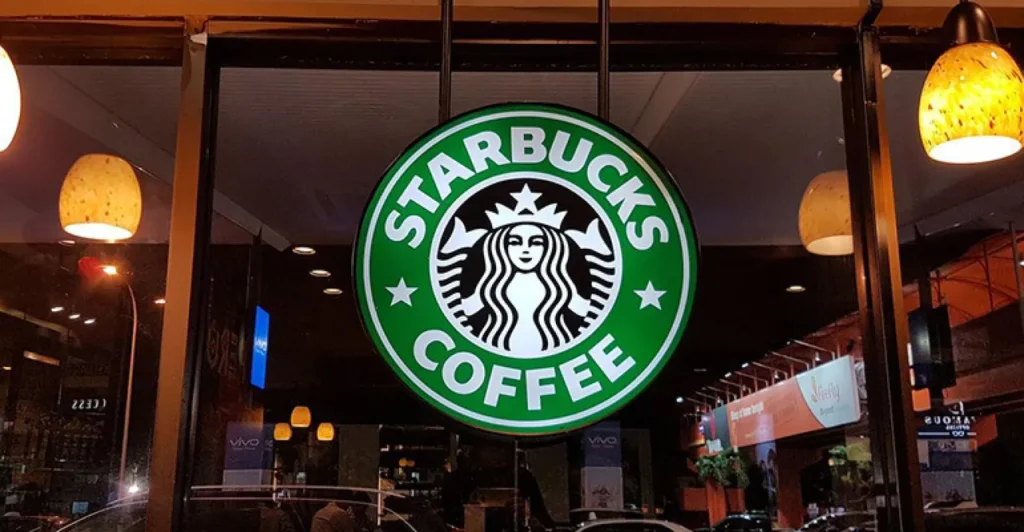
Starbucks supports its lifestyle positioning through several powerful marketing tactics. Its visual branding plays a key role, with the iconic Green Siren logo being instantly recognizable worldwide, and its sleek cup design evolving into a status symbol — holding a Starbucks cup often signals a certain lifestyle. On social media, Starbucks focuses on storytelling that highlights community, culture, and experiences rather than just products. For example, it showcases customers working on laptops, reading books, or celebrating birthdays at Starbucks cafés, reinforcing its role as a “third place” beyond home and work. The brand also leverages emotional advertising, where campaigns rarely push coffee directly; instead, they show people connecting, smiling, and sharing meaningful moments over coffee. Finally, Starbucks drives seasonal buzz with products like the Pumpkin Spice Latte, which has become more than just a beverage — it is now a cultural phenomenon tied to cozy lifestyle moments and seasonal traditions like autumn vibes.
Impact of Lifestyle Positioning
- Customers see Starbucks as part of their daily ritual and identity, not just a beverage shop.
- Starbucks commands premium pricing because people pay for the lifestyle, not just coffee.
- Built one of the strongest brand communities in the world → customers proudly associate with the brand.
50+
Years of Coffee Crafting
80+
Countries Reached
35M+
Rewards Members
38K+
Stores Worldwide